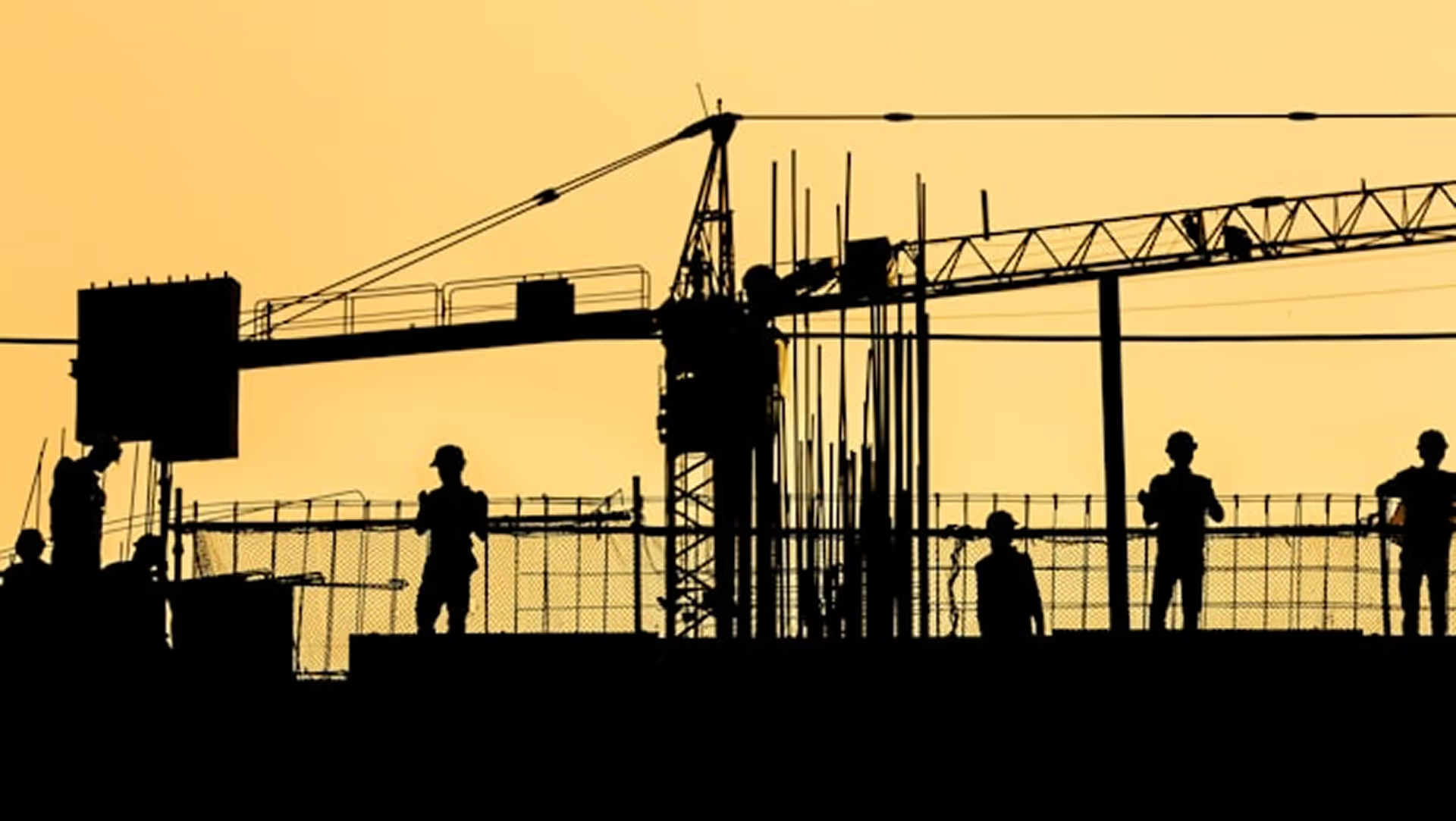
The construction industry is entering one of the most transformative eras in its history. As new technologies, sustainable materials, and smarter workflows emerge, the way we design and build structures is changing rapidly. The future of construction is no longer just about erecting buildings-it’s about creating intelligent, efficient, and resilient environments that adapt to the needs of tomorrow.
In this article, we explore the key trends that are shaping the next generation of construction.
1. Automation and Robotics Will Redefine Productivity
Robots are no longer a futuristic idea-they’re already appearing on construction sites worldwide. From bricklaying robots to autonomous vehicles and drones that map job sites, automation is helping teams work faster and with greater accuracy.
In the future, expect to see:
- Robotic exoskeletons assisting workers with heavy lifting
- Drones performing site inspections and progress tracking
- Autonomous equipment reducing downtime and human error
This shift doesn’t replace workers-it empowers them by reducing risk and increasing efficiency.
2. Sustainable Construction Will Become the Standard
Sustainability is no longer optional. With climate concerns growing and regulations tightening, the construction industry is shifting toward eco-friendly materials and energy-efficient processes.
Emerging trends include:
- Carbon-neutral concrete alternatives
- Mass timber as a lightweight, sustainable structural material
- Circular construction, where materials are reused or repurposed
Builders of the future will prioritize not only the structure itself but also the impact it leaves on the environment.
3. 3D Printing Will Make Building Faster and More Affordable
3D printing is transforming construction by enabling rapid, cost-effective building methods. Entire homes can now be printed in less than 24 hours using specialized concrete mixes.
Key benefits:
- Lower cost of labor and materials
- Reduced construction waste
- Highly customizable designs
As 3D printing scales, we may see communities, disaster-relief housing, and commercial structures built with unprecedented speed.
4. Smart Buildings Will Become the Norm
The future of construction includes structures that think for themselves. Smart buildings use integrated sensors and automation systems to optimize everything from lighting to climate control and energy consumption.
Future-ready buildings will feature:
- IoT-connected systems that monitor performance
- Predictive maintenance using real-time data
- Enhanced security and occupant comfort
These technologies make buildings more efficient while improving the overall user experience.
5. Digital Twins and AI Will Improve Project Planning
A digital twin-a virtual replica of a physical structure-allows architects, engineers, and builders to simulate how a building will perform before construction even begins.
When combined with AI, this technology can:
- Predict potential issues
- Improve design accuracy
- Optimize project timelines
- Reduce costs
Digital tools are turning construction into a more data-driven and strategic field.
6. A More Skilled, Tech-Driven Workforce
As technology becomes more integrated, construction teams will evolve. Future workers will combine traditional skills with digital expertise-operating advanced machinery, managing software platforms, and analyzing project data.
This shift creates opportunities for:
- Higher-paying roles
- Safer work environments
- More efficient collaboration
Training and upskilling will be essential as the industry adapts to new tools and processes.
Conclusion
The future of construction is shaped by innovation, sustainability, and smarter ways of building. As automation, AI, and new materials become mainstream, the industry will deliver safer, faster, and more environmentally conscious projects than ever before.
Construction is no longer just about building-it’s about reimagining what’s possible.