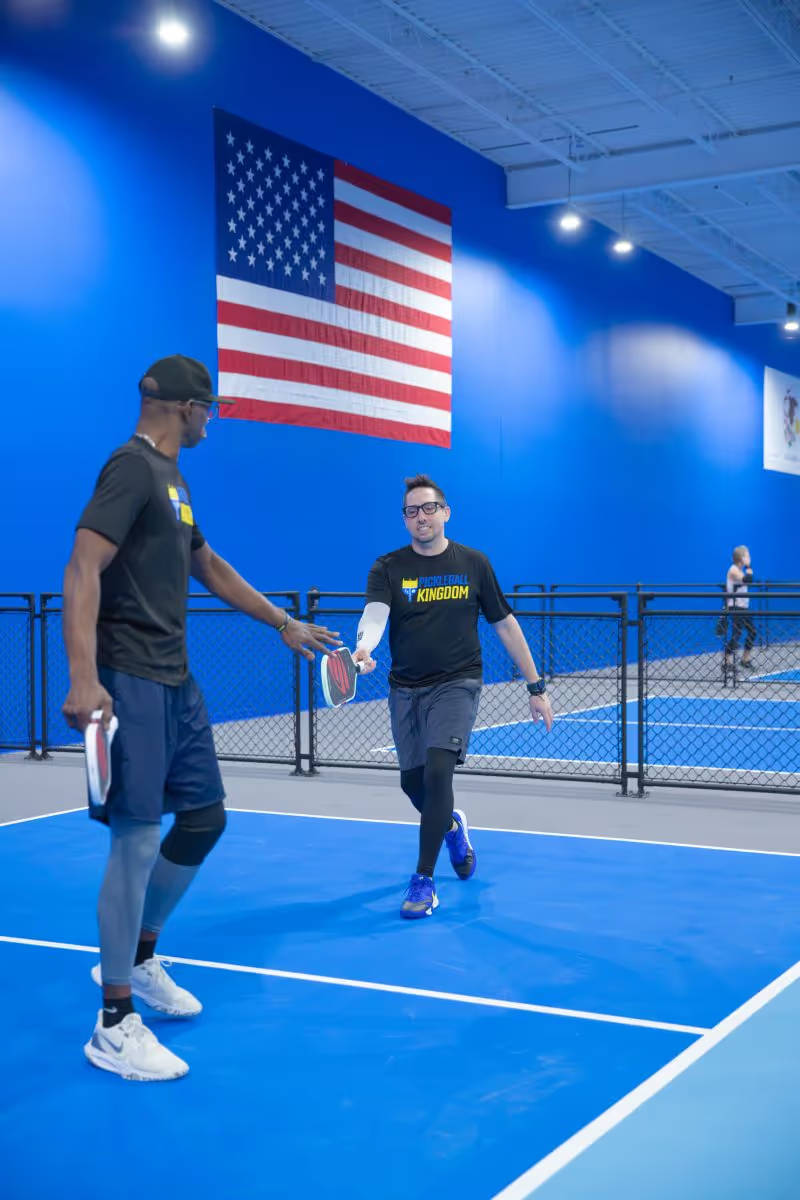
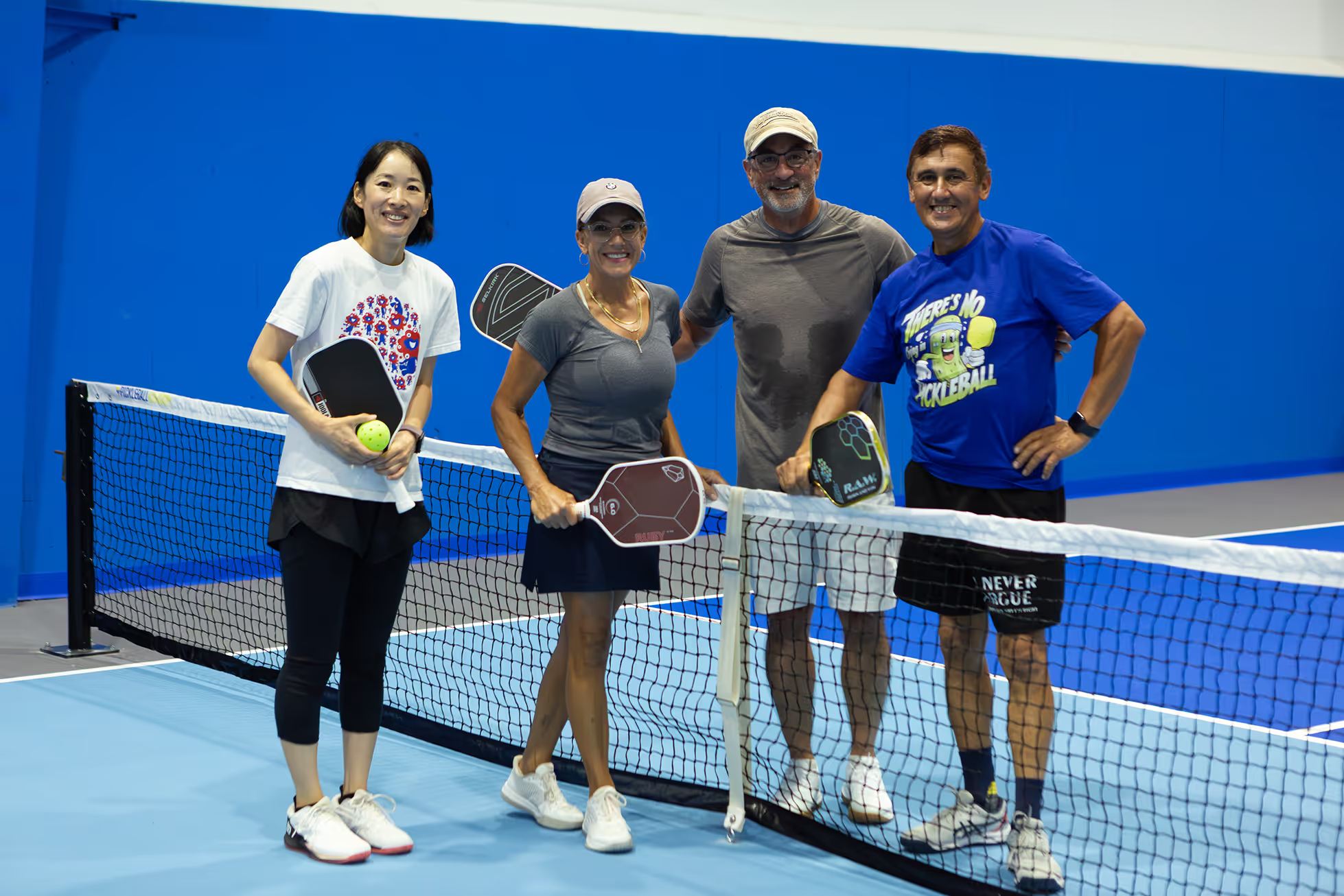
Premium Pickleball Court
Construction & Conversion
Skyward Construction Group supports pickleball court construction and conversion projects for developers, private clubs, schools, parks, HOAs, and recreational facilities. This page covers new court development, indoor pickleball projects, and tennis-to-pickleball conversions for commercial and community properties.
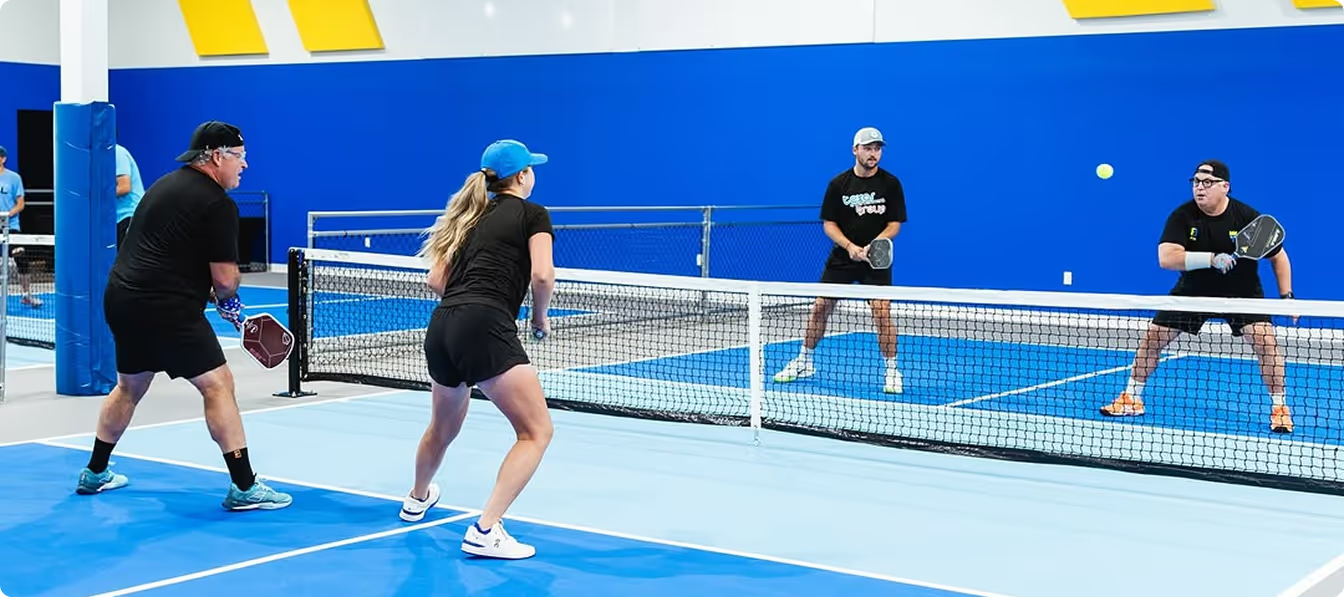
Why Invest in Pickleball Court Construction
Pickleball is no longer a niche recreational activity. It is one of the fastest-growing sports in the United States. Participation has expanded across all age demographics, driving unprecedented demand for dedicated courts and purpose-built facilities. Municipalities, private clubs, developers, and commercial operators are responding by investing in new construction and strategic conversions.
For property owners and developers, pickleball represents more than a trend, it is a long-term asset class within the sports and recreation market.
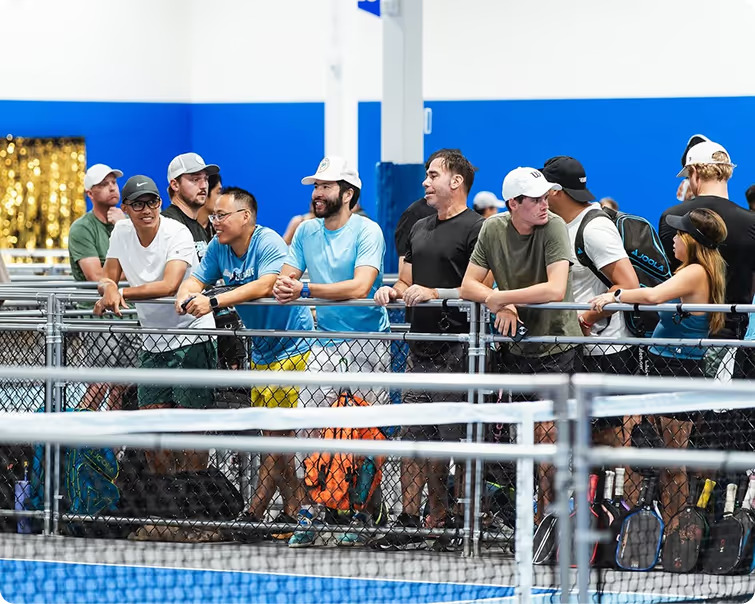
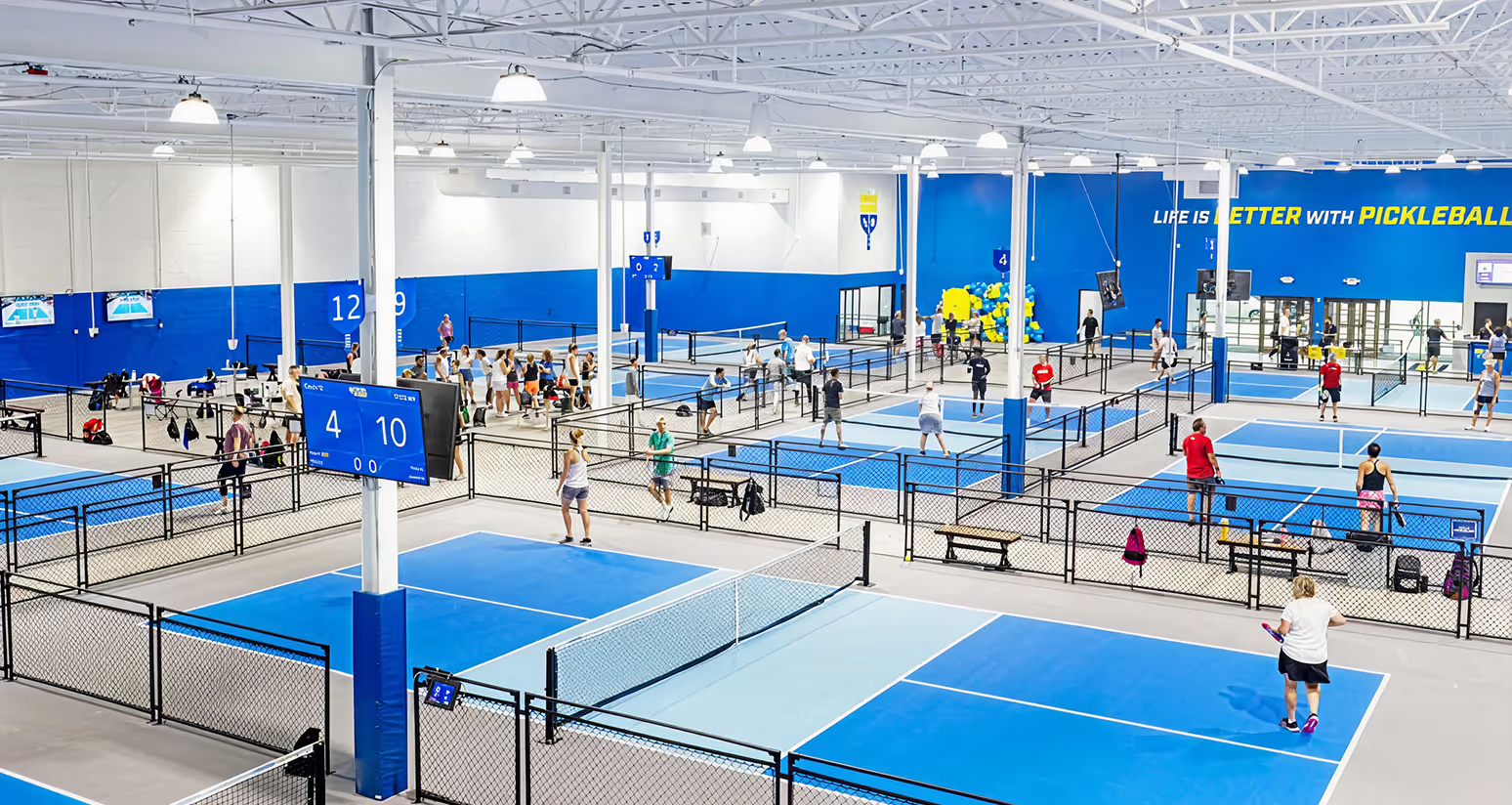
Pickleball Court Projects for Commercial and Community Properties
Strong ROI for Developers & Facility Operators
Well-designed pickleball facilities generate consistent traffic, repeat usage, and diverse revenue streams, including:
Memberships and court rentals
League play and tournaments
Instructional programs and clinics
Food & beverage sales
Retail and merchandise opportunities
Our Pickleball Court Construction Services
Skyward Construction Group supports pickleball court construction and conversion projects for commercial, community, and recreational properties. Services may include new pickleball court development, indoor pickleball facility planning, project coordination, and tennis-to-pickleball conversion projects based on site conditions and overall project goals.
New Court Construction
Support for new pickleball court construction projects for properties adding dedicated recreational space from the ground up. These projects may be part of a larger amenity strategy, a standalone pickleball facility, or an expansion of an existing club, park, school, or residential community.
Often explored by parks, clubs, schools, recreation centers, and residential communities.
Early planning may include reviewing the property, available space, site access, and overall goals to help determine the best fit for new pickleball court development.
Planning for new pickleball courts may involve evaluating layout options, intended use, player flow, and how the courts fit within the broader property.
Project scope may vary based on the site, the number of courts, and whether the development is intended for community use, private membership, school recreation, or commercial pickleball programming.
Depending on the project, owners may also consider features such as court separation, visibility, player comfort, and adjacent amenities that support the overall pickleball experience.
Indoor Facility Construction
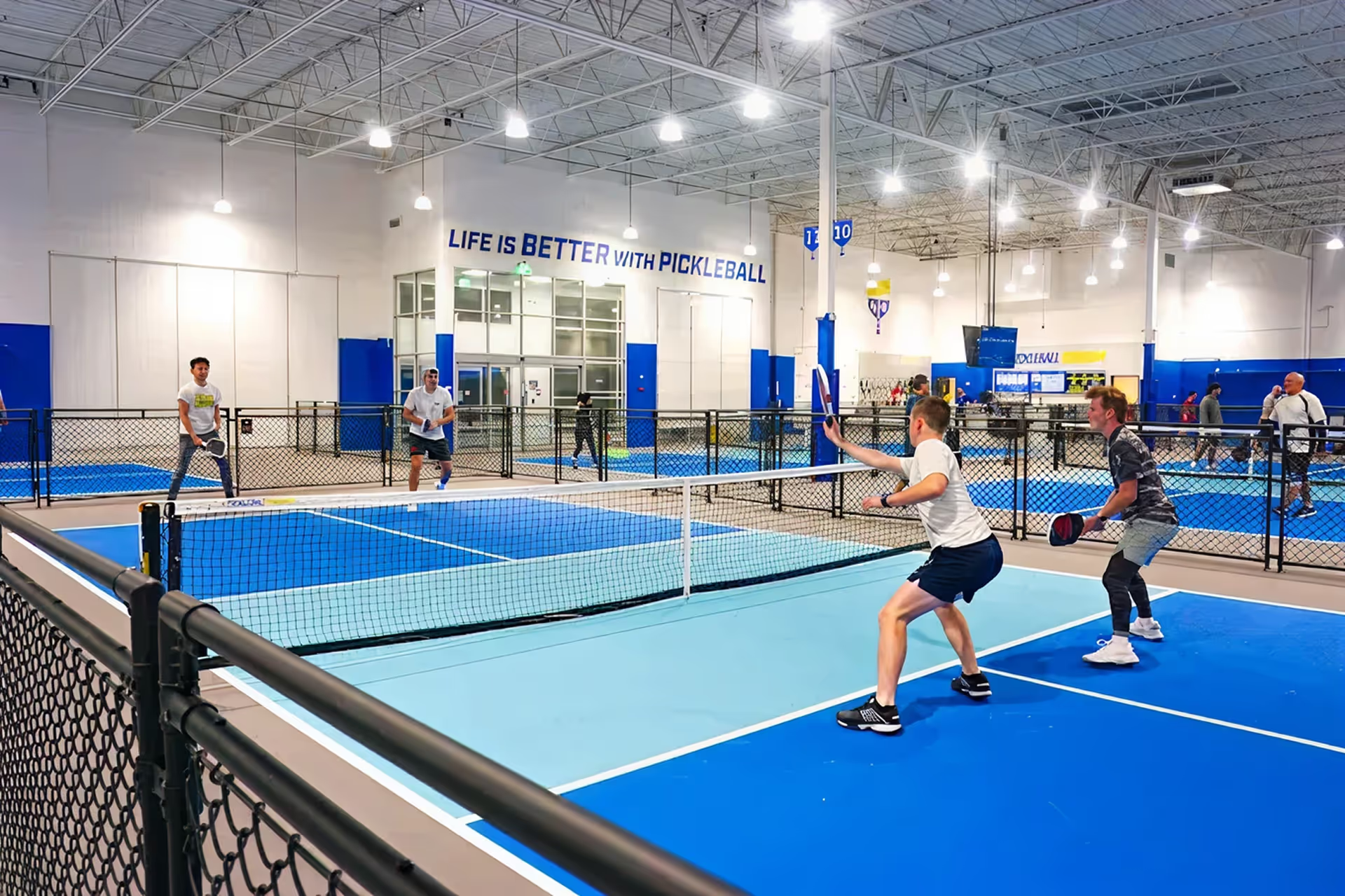
Indoor pickleball facility projects can be a strong fit for clubs, gyms, commercial recreation spaces, and community sports properties looking to support year-round play in a more controlled environment.
Often considered by clubs, gyms, commercial recreation spaces, and community facilities.
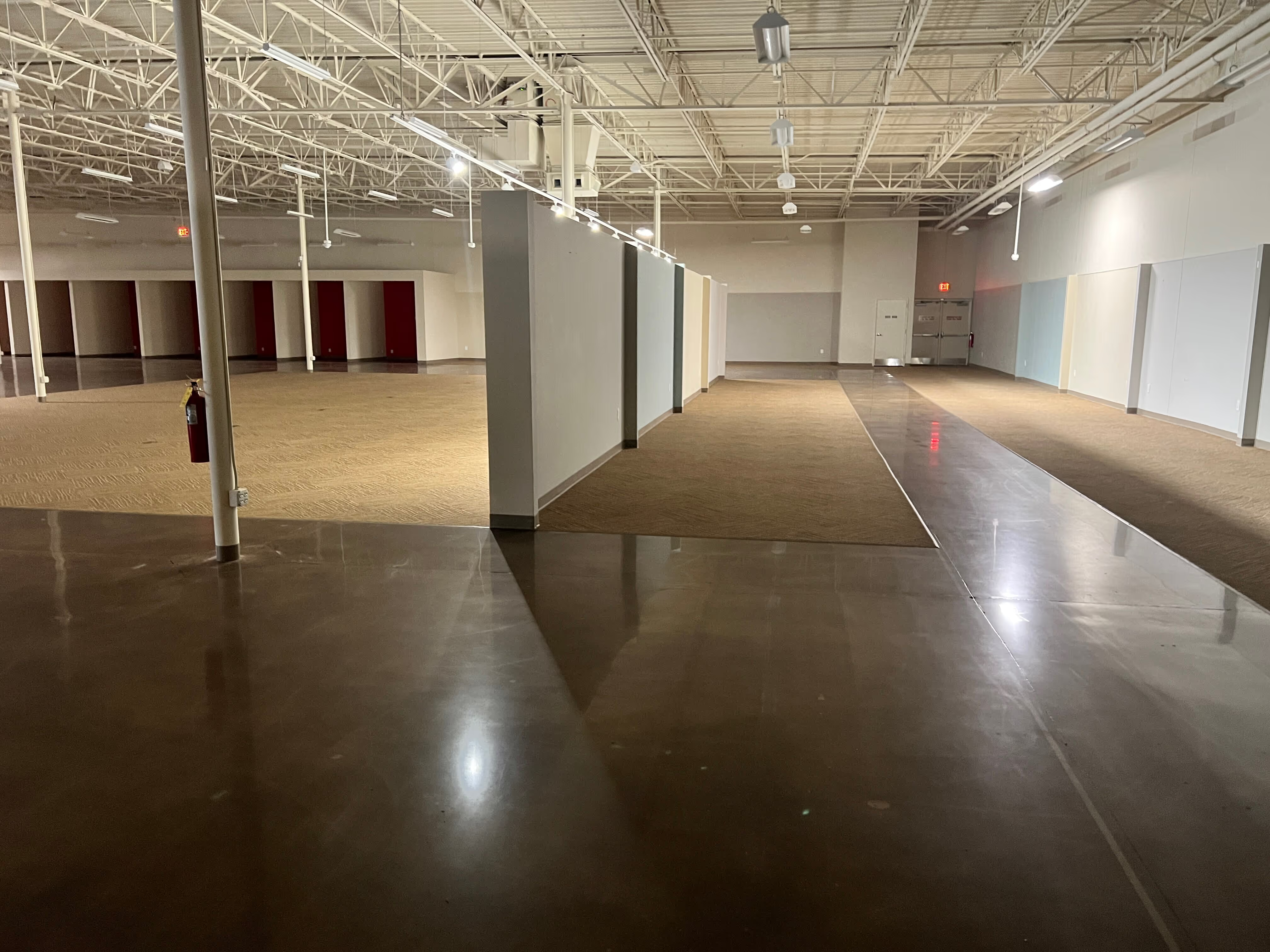
Indoor projects may also be part of a broader facility expansion, adaptive reuse plan, or long-term recreation strategy.
Owners often explore indoor pickleball projects when they want to create dedicated court space, expand programming, or support more consistent court access throughout the year.
Depending on the size and goals of the facility, planning may include evaluating the number of courts, circulation, viewing areas, and how pickleball fits into the overall use of the property.
Indoor pickleball facilities are often planned around convenience, scheduling flexibility, and a playing environment that supports regular member, guest, or community use.
Turnkey Project Management
A coordinated approach to pickleball court construction and conversion projects, from early planning through delivery.
Often useful for developers, owners, and facility operators managing broader recreational projects.
For owners, developers, and facility operators, a coordinated process can help simplify communication and keep project priorities aligned from one phase to the next.
Project coordination may include planning discussions, layout direction, budgeting considerations, scheduling coordination, and oversight across the broader scope of work.
Clear communication and milestone-based coordination can help stakeholders stay informed throughout the project.
Tennis to Pickleball Conversions
Tennis-to-pickleball conversion projects can be a practical option for properties looking to expand pickleball capacity while making use of existing tennis courts or recreational space.
Often considered by communities looking to expand pickleball capacity within an existing recreational footprint.
These projects are often explored by clubs, schools, parks, and residential communities that want to introduce pickleball or increase court availability while making use of existing amenities.
Conversion planning may involve reviewing the current layout, intended court use, and how pickleball fits within the goals of the property.
For many properties, conversion projects can be a practical way to activate underused amenities, respond to growing player interest, and expand programming options.
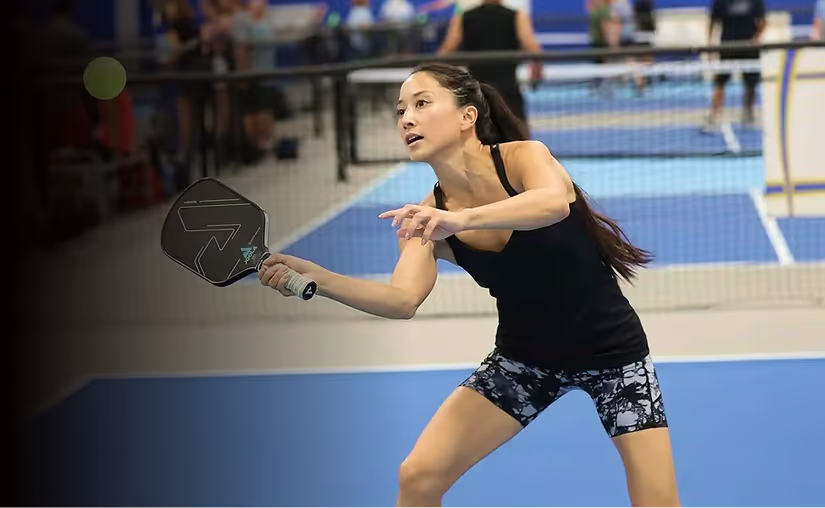
Frequently Asked questions
A pickleball court construction project may involve early planning, site review, layout considerations, intended court use, and overall property goals. The scope can vary depending on whether the project is a new court development, an indoor facility, or a conversion of existing recreational space. For many owners, the planning process also includes evaluating how pickleball fits within the broader use of the property.
Pickleball court construction projects are often explored by private clubs, parks departments, schools, residential communities, sports facilities, developers, and other recreation-focused properties. Interest in pickleball continues to grow across a range of commercial and community settings, which is why many owners evaluate new courts, facility upgrades, or conversion opportunities as part of a broader amenity strategy.
In some cases, existing tennis courts or other recreational areas may be evaluated for pickleball conversion. These projects are often considered by clubs, schools, parks, and residential communities looking to expand pickleball access while making use of existing amenities. The right approach depends on the current layout, intended use, and the goals of the property.
Indoor and outdoor pickleball projects are often planned around different property needs, user expectations, and programming goals. Indoor facilities may be explored for more consistent year-round play, while outdoor courts are often considered for parks, schools, clubs, and residential communities looking to expand recreational amenities. The right fit depends on how the courts are expected to be used and how they fit into the overall property.
Owners often begin by evaluating available space, intended user groups, number of courts, project type, and long-term goals for the property. Some projects involve new pickleball court construction, while others focus on expanding existing amenities or converting tennis courts. Planning considerations can vary depending on whether the project is intended for community recreation, private membership, school use, or commercial programming.
Pickleball courts are often explored as an amenity for clubs, residential communities, sports facilities, parks, schools, and other recreation-focused properties. For many owners, pickleball can support broader goals such as amenity expansion, increased activity, and better use of available recreational space. The right project depends on the property, audience, and intended use.
Pickleball courts are ofteDepending on the site and project goals, pickleball developments may involve a single dedicated court, multiple courts, or a broader facility concept. Multi-court projects are often considered for clubs, parks, schools, and commercial recreation properties that want to support higher usage, organized programming, or a wider range of players.n explored as an amenity for clubs, residential communities, sports facilities, parks, schools, and other recreation-focused properties. For many owners, pickleball can support broader goals such as amenity expansion, increased activity, and better use of available recreational space. The right project depends on the property, audience, and intended use.